Is It Bad to Eat Before Bed? Nine Foods to Avoid at Night
Eating before bed is not automatically bad for you. What matters most is what you eat and how close to bedtime you eat it. Heavy, spicy, sugary, or highly caffeinated foods can trigger heartburn, spike your blood sugar, or act as stimulants, all of which make it harder to fall asleep and stay asleep through the night.
If you often wake up with heartburn, a racing mind, or a restless stomach after a late meal, your evening menu could be part of the problem. This guide covers nine foods and drinks that commonly interfere with sleep, why each one causes trouble, and which lighter options support better rest instead.
Key Takeaways
- Eating before bed is not harmful on its own, but heavy, spicy, sugary, or highly acidic foods can trigger heartburn and disrupt sleep.
- The National Heart, Lung, and Blood Institute recommends avoiding alcohol, caffeine, and large meals within a few hours of bedtime to support healthier sleep.
- Alcohol may help you fall asleep faster, but it interrupts REM sleep and deep sleep later in the night.
- Foods high in tyramine, such as aged cheese, red wine, and soy sauce, stimulate brain activity and can make falling asleep harder.
- Hidden caffeine in tea, chocolate, and some desserts acts as a stimulant even when you do not expect it.
- Light, tryptophan-rich snacks, such as oatmeal, yogurt, or a banana, support sleep rather than working against it.
Nine Foods and Drinks to Avoid Before Bed
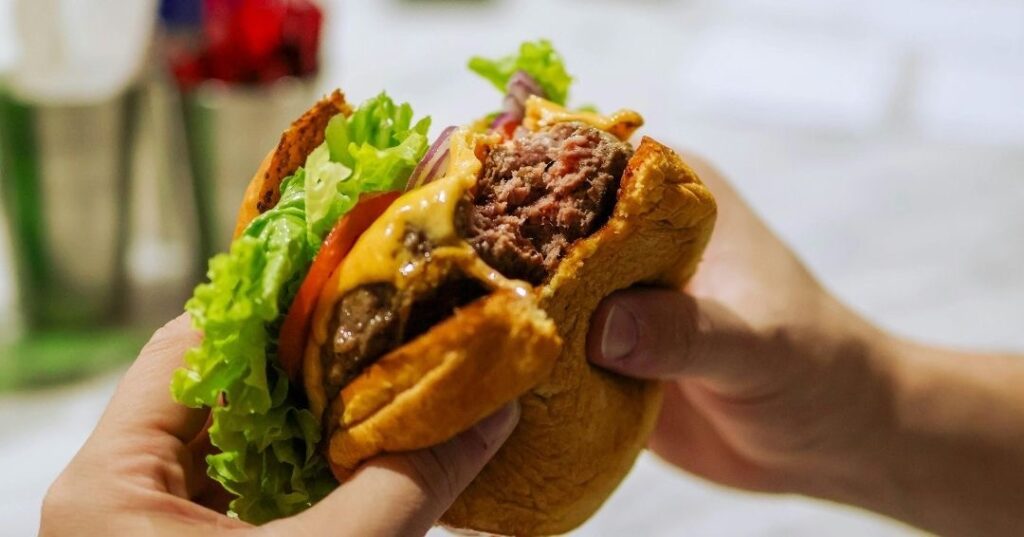
The following nine foods and drinks are the most common culprits behind restless nights. Cutting back on these, especially in the few hours before bedtime, is one of the simplest ways to protect your sleep quality.
1. Alcohol and Energy Drinks
A nightcap or a couple of drinks can make you feel sleepy at first, but alcohol works against you as the night goes on. It disrupts your natural sleep cycle, reducing the restorative REM and deep sleep you get. Alcohol also relaxes the muscles in your throat, which can make snoring and obstructive sleep apnea worse, and it affects the esophageal sphincter, a muscle that helps keep stomach acid where it belongs, raising your risk of acid reflux.
According to the National Heart, Lung, and Blood Institute, avoiding alcoholic drinks, caffeine, and large meals close to bedtime is one of the most effective habits for protecting your sleep.
2. Heavy, Fatty, or Fried Foods
Meals that sit heavy in your stomach take longer to digest. Fatty, cheesy, and fried foods, including cheeseburgers, French fries, and large steaks, can lead to indigestion and keep you tossing and turning. These heavy foods can also aggravate gastroesophageal reflux disease (GERD), making it harder to fall and stay asleep. If you eat a large meal in the evening, give your body two to three hours to digest before you lie down.
3. Foods with High Water Content
Staying hydrated matters for your overall health, but drinking plenty of water or eating water-rich foods, such as celery, watermelon, and cucumber, close to bedtime can mean more trips to the bathroom overnight. Waking up to urinate breaks up your sleep cycle and makes it harder to fall back asleep. Shift your water-rich meals and drinks earlier in the evening instead.
4. Foods with Hidden Caffeine
Caffeine hides in more places than coffee and soda. Tea, chocolate, and some ice creams and desserts contain enough caffeine to act as a stimulant, making it harder to reach the deeper stages of sleep and reducing the amount of REM sleep you get. Check nutrition labels on evening snacks, especially chocolate-based desserts, if you are sensitive to caffeine.
5. Super Sugary Treats
Sugary snacks such as candy, cereal, and rich desserts can cause your blood sugar to spike and then crash, which disrupts your sleep patterns later in the night. If you want something sweet before bed, pair it with protein or fiber, such as fruit with nut butter, to soften the blood sugar swing.
6. Tyramine-Rich Foods
Foods rich in tyramine, including tomatoes, soy sauce, eggplant, red wine, and aged cheese, prompt your brain to release a natural stimulant that increases brain activity. That extra activity can make it harder to wind down and fall asleep, so it is worth limiting these foods in the evening.
7. Spicy Foods
Spicy dishes are a common heartburn trigger, but they cause a second problem at night too. Your body temperature naturally drops to help you fall asleep, and hot peppers and other spicy ingredients can raise your body temperature instead. Feeling warm can keep you tossing and turning longer than you would like. If you love spicy food, enjoy it at breakfast or lunch rather than dinner.
8. Acidic Foods
Highly acidic foods, including citrus juice, raw onion, white wine, and tomato sauce, are another common trigger for acid reflux. A slice of pizza or a citrus-heavy dish late in the evening can leave you dealing with heartburn just as you are trying to fall asleep.
9. Foods That Cause Gas
High-fiber foods are great for your health, but some, including dried fruit, beans, broccoli, cauliflower, and Brussels sprouts, are difficult to digest and can cause gas, pressure, and cramping. Save these nutritious choices for earlier in the day and opt for something gentler on your digestion before bed.
What to Eat Before Bed Instead

Going to bed hungry can be just as disruptive to your sleep as eating the wrong foods. If you need a snack or light meal before bedtime, reach for options that are easy to digest and naturally support sleep, thanks to tryptophan or their ability to raise serotonin or melatonin levels.
- Oatmeal
- Whole-grain toast
- Granola
- Milk
- Cottage cheese
- Yogurt
- Walnuts
- Almonds
- Hummus
- Chamomile, ginger, or passionfruit tea
- Honey
- Cherries
- Bananas
- Berries
Tart cherry juice is another option worth trying, since it may help reduce insomnia. Add it to a smoothie for better taste and added nutrition. Nuts and seeds, particularly pistachios and walnuts, can also help if you have trouble falling asleep.
For more ways to protect your sleep, see our guides on how to stay energized throughout the day and how to find the best sleeping position for your health.
Frequently Asked Questions
Is it bad to eat before bed if I’m hungry?
Eating before bed is not inherently bad. What matters is what you eat and how much. Light, easy-to-digest snacks rarely cause problems, but heavy, spicy, sugary, or highly caffeinated foods can trigger heartburn, spike your blood sugar, or act as stimulants that keep you awake longer than you would like.
Is eating before bed bad for your digestion or weight?
A late meal will not automatically cause weight gain, since total calories over time matter more than timing. Lying down soon after eating can worsen acid reflux and make digestion less comfortable, though, which is why giving your body a couple of hours to digest before bed is worth building into your routine.
Is it bad to eat right before sleeping?
Eating right before sleeping increases your chances of heartburn, indigestion, and interrupted sleep, especially with heavy or acidic foods. Lying flat with a full stomach can push stomach acid upward. If you need a snack close to bedtime, choose something small and easy to digest instead of a full meal.
How long before bed should you stop eating?
Most sleep specialists recommend finishing your last meal two to three hours before bedtime. This gives your stomach time to begin digesting and lowers your risk of heartburn, bloating, and other discomfort that can disrupt sleep once you lie down.
What is the best snack to eat before bed?
Light, tryptophan-rich snacks tend to work best, including oatmeal, yogurt, a banana, or a small handful of almonds. These options are easy to digest and support the natural production of serotonin and melatonin, the hormones that help regulate your sleep cycle.
Can eating before bed cause heartburn?
Yes. Lying down soon after eating makes it easier for stomach acid to travel back up the esophagus, especially after spicy, acidic, or fatty foods. Staying upright for two to three hours after eating and avoiding trigger foods close to bedtime can meaningfully reduce nighttime heartburn.
When to Talk to a Sleep Specialist
Cutting the foods on this list can noticeably improve your sleep within a few nights, especially if heartburn, a racing mind, or a restless stomach have been keeping you up. If you still struggle to fall asleep or stay asleep after adjusting your diet, something else may be going on.
Sleep Health Solutions provides accurate diagnosis and effective treatment for a wide range of sleep disorders in a safe, comfortable, and compassionate environment. Schedule your evaluation to find out what is really keeping you awake.